No items found.
A CT of the chest, abdomen and pelvis (often called a CT CAP, or CT thorax, abdomen and pelvis) is a single CT examination that images the body from the chest down through the pelvis. "With contrast" means a dye called contrast medium is used to make certain structures show up more clearly.
This scan is requested to address specific clinical concerns, and a report written by a radiologist explains what the images show.
How CT Works
A CT scanner uses X-rays and a computer to create detailed images of the inside of the body. The scanner is a ring that the bed moves through, and it builds up cross-sectional pictures that can be viewed as 3D images. CT is used to find out whether symptoms are caused by a condition, to check organs and bones after an injury, and to see how well treatment is working.
Why Chest, Abdomen and Pelvis Are Scanned Together
Sometimes a clinician needs to look at more than one region to find potential problems. Scanning organs in one examination avoids separate appointments and repeated contrast injections. The regions covered, and whether and how contrast is used, should be determined by specific health concerns in these regions rather than a general check across all organs.
A CT of the abdomen and pelvis alone, without the chest, is a separate and more common examination. Covering more regions means a higher radiation dose, so the chest is included only when necessary.
What Contrast Does
Contrast medium helps show more detail on the images. Depending on the scan, it can be injected into a vein, given as a drink, or put into your bottom. For an injection, a small plastic tube (cannula) is placed in your arm or hand after you've completed a safety questionnaire.
When contrast is injected, you may feel hot and flushed, notice a metallic taste, or feel as if you're passing urine when you're not. These feelings usually pass quickly. Allergic reactions are rare. You may be asked to wait for up to 30 minutes after the scan to check you don't react. Rarely, contrast can leak outside the vein and cause local pain or swelling.
Tell the team before your scan if you are or might be pregnant, are breastfeeding, take any medicines, have asthma, diabetes, or kidney or thyroid problems. Tell them if you have had a reaction to contrast before. Preparation varies between services and scan protocols, so follow the instructions from the service doing your scan.
What Happens During the Scan
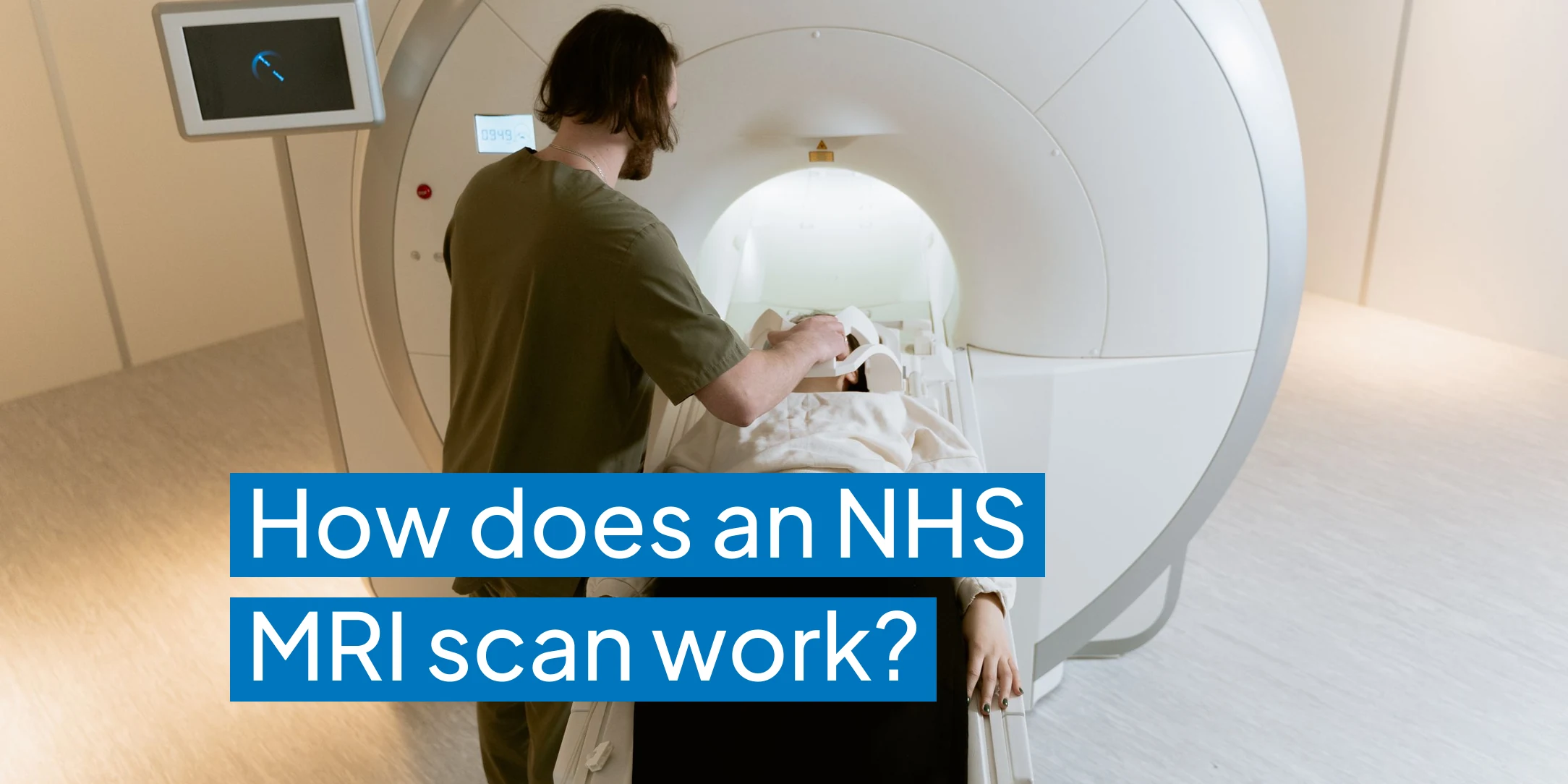
During the scan, you lie on a flat bed while the radiographer controls the scanner from another room. They can see, hear and speak to you throughout the scan. You may be asked to hold your breath for parts of the scan. The whole process usually takes 10 to 20 minutes.
Is Radiation a Concern?
CT uses X-rays, which is a form of ionising radiation. The main risk is a small chance of developing cancer many years later. One NHS trust estimates the additional lifetime cancer risk from an adult CT of the chest, abdomen and pelvis at around 1 in 1,300, which it classes as low. For context, about 1 in 2 people will develop cancer at some point in their life, and even the highest-dose examinations add only a small amount to that risk.
In the UK, the law requires each medical exposure to radiation to be justified and authorised before it happens, so that the expected benefit outweighs the risk. The imaging specialist will also consider whether ultrasound or MRI could be done instead, as these don’t require radiation.
After the Scan
A radiologist or reporting radiographer reviews the images and writes a report for your doctor. These results will be reviewed along with your symptoms and other tests. If you’re on the NHS, results usually take 1 to 2 weeks, but can take up to 4 weeks. Private CT scans will get faster results in a few days.
Depending on the findings, you may need other tests. A scan provides information on what is being tested.
Conclusion
CT scans of the abdomen and pelvis are invaluable tools for diagnosing a wide range of medical conditions, from digestive disorders and infections to tumours, internal bleeding, and organ abnormalities. They provide highly detailed cross-sectional images, allowing doctors to assess structures with precision. This helps to guide treatment decisions effectively.
At GetScanned, we make it easy to access trusted centres offering fast, high-quality CT scans at affordable prices. Whether you need a scan for diagnostic, pre-surgical, or monitoring purposes, you can use our CT scan service page to find information on how to book.
GetScanned Today
Thank you! Your submission has been received!
Oops! Something went wrong while submitting the form.
FAQ
How long does a CT of the abdomen take?
A CT scan of the abdomen typically takes 10 to 30 minutes, depending on the use of contrast and the complexity of the imaging required.
Why would a doctor order a pelvic scan?
A doctor may order a pelvic CT scan to investigate pain, infections, tumours, organ abnormalities, or issues related to the reproductive system.
Can a CT scan detect cancer in the abdomen?
Yes, a CT scan can identify abnormal growths and tumours, which may indicate cancer. However, further tests like biopsies or PET scans may be needed for confirmation.
What will an abdomen CT scan show?
An abdomen CT scan provides detailed images of the liver, kidneys, pancreas, intestines, spleen, and blood vessels, helping detect abnormalities such as tumours, infections, blockages, or organ damage.
Are there any risks associated with CT scans?
While CT scans are generally safe, they expose patients to low levels of radiation. Contrast dyes may cause allergic reactions in rare cases. Pregnant individuals should discuss alternative imaging options.
References
- NHS. CT scan. Last reviewed 8 November 2023.
- Leeds Teaching Hospitals NHS Trust. What to expect from your CT scan. Last reviewed 24 November 2025.
- UK Health Security Agency. Medical imaging: what you need to know. 22 September 2022.
- The Ionising Radiation (Medical Exposure) Regulations 2017. Explanatory note. legislation.gov.uk.