

No items found.
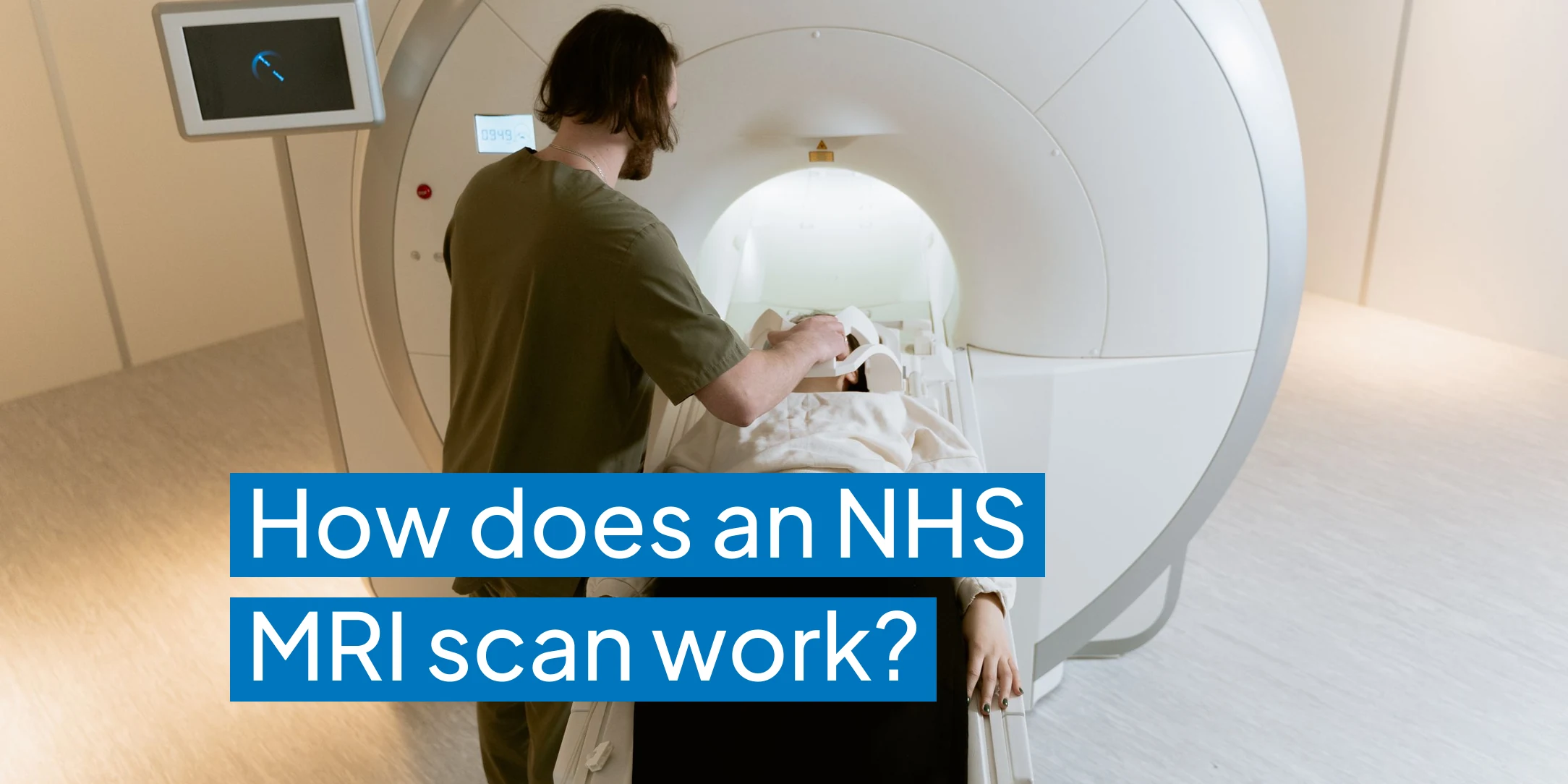
An NHS MRI starts when a GP or hospital specialist decides a scan could answer a specific clinical question and requests it. A radiographer then carries out the scan, a radiologist reports the images, and the doctor who requested it explains the result, which the NHS says usually takes one to two weeks.
How do you get an NHS MRI?
You cannot book one yourself. A GP or hospital specialist requests it after assessing your symptoms and deciding what the scan needs to answer. The NHS lists three main uses: finding the cause of symptoms, checking bones and organs, and seeing how well treatment is working.
Who can request it depends on the problem. For certain symptoms, NHS England guidance says every GP practice should be able to request a brain MRI directly. For many other questions, your GP refers you to a specialist first, and the specialist decides whether to scan. Local pathways vary.
How long is the wait?
There is more than one wait, and the published figure covers only one of them. NHS England's monthly diagnostic waiting times statistics (DM01) count the time from when the scan is requested to when it is done. They do not include the time to reach a GP or specialist appointment and the decision to scan, or the time for the report and the discussion afterwards.
What happens before the scan?
Your hospital will tell you how to prepare, and you should follow your appointment letter over any general advice. You will fill in a safety form asking whether you:
- are or could be pregnant, or are breastfeeding
- have had surgery
- have kidney problems
- have metal in your body, such as surgical clips or a pacemaker
- have allergies, including to the contrast dye used in some scans
If enclosed spaces make you anxious, tell the hospital before your appointment. The NHS says you may be able to have medicine to help you relax, and you can ask to bring someone for support.
What happens during the scan?
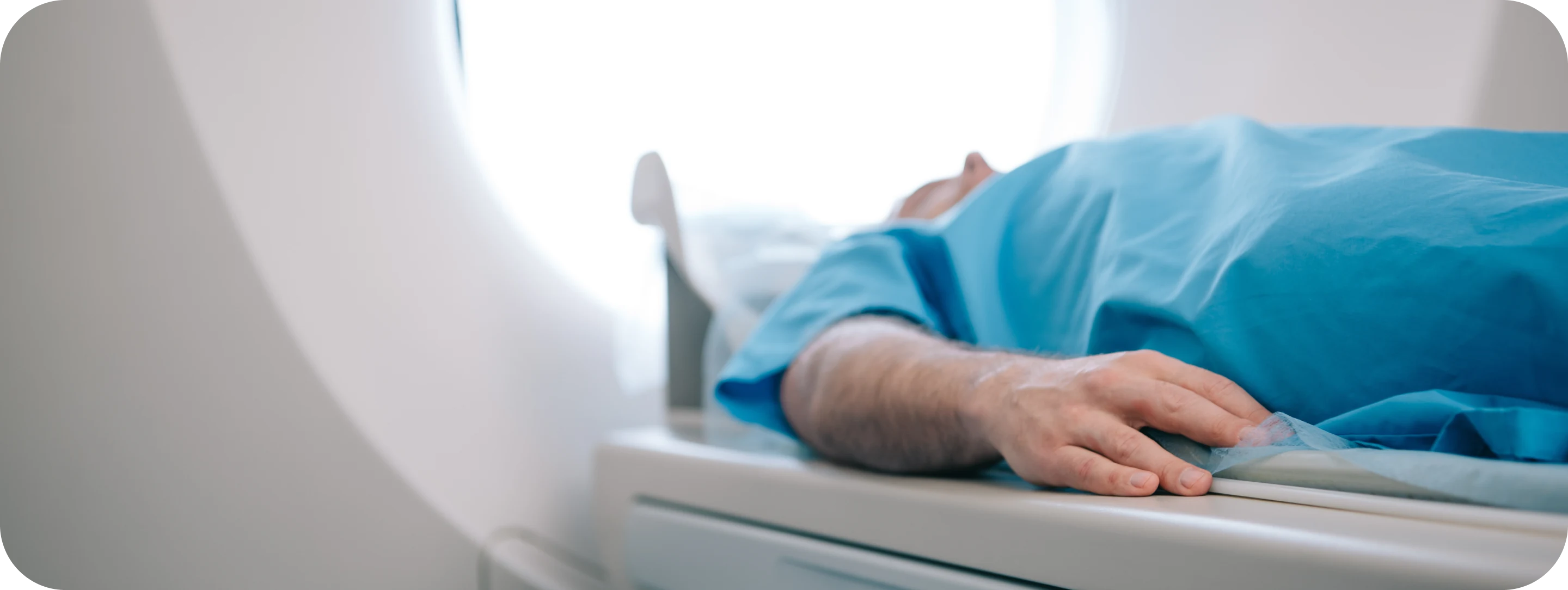
A radiographer carries out the scan. You lie on a flat bed that moves into a short tunnel, and you are given ear plugs or headphones because the scanner makes loud bangs and clicks. The radiographer runs the scanner from another room and can hear and speak to you throughout. You need to lie still, and you may be asked to hold your breath for parts of it.
The NHS says a scan usually takes between 15 minutes and 1 hour, though it can take longer. Some scans include an injection of contrast dye to show more detail; if you have it, you may be asked to wait about 30 minutes afterwards to check for a reaction.
How do you get your results?

The images are looked at by a radiologist, a doctor who specialises in reading scans, who writes to the doctor who referred you. That doctor should explain the results and what happens next, which may mean a follow up appointment. The NHS says this usually takes one to two weeks; if you have heard nothing after a few weeks, contact the doctor who referred you.
If your symptoms change while you wait
If your symptoms get worse, contact your GP or NHS 111. Call 999 straight away for sudden face drooping, arm weakness or difficulty speaking, which can be signs of a stroke. A private scan is not the route for urgent symptoms.
GetScanned Today
Thank you! Your submission has been received!
Oops! Something went wrong while submitting the form.
If you are comparing NHS and private routes
A private MRI can be an option for a non urgent question that a scan can help answer. It does not replace your place on an NHS pathway or an urgent assessment. Whether an NHS clinician acts on a private report depends on their clinical judgement and local policy, and they may want their own imaging. Paying for a scan does not, on its own, bring forward an NHS treatment decision.
With GetScanned, you do not need a GP referral. A GetScanned doctor first reviews your history and whether the scan and body area fit your clinical question. A consultant radiologist reports the scan, you receive the report and images, and you can request a consultation with a GetScanned GP to discuss them. The private MRI scan page has the current booking details.
Sources
NHS, MRI scan: uses of MRI, safety questions, preparation, what happens during the scan, scan length, contrast, and how results reach you.
NHS England, Urgent GP direct access to diagnostic services: GP practices' direct access to brain MRI for certain symptoms.
NHS England Digital, Diagnostics Waiting Times and Activity (DM01): what the monthly diagnostic waiting time statistics measure.
NHS, Symptoms of a stroke: stroke warning signs and when to call 999.
GetScanned, Private MRI scan: booking, doctor review and scan process.


