Why GetScanned?



Private Mammogram / Breast Screening in the UK
Self-referral mammograms at CQC-registered breast imaging centres. Book online, with fast results, and a review by our clinical team.
*Includes a free GP consultation
Why Choose GetScanned for your Mammogram?

No GP referral required for private screening (age / policy permitting)

Experienced breast radiographers and radiologists

Comfortable, safe imaging in private setting


How to book your private Mammogram scan

Step 1: Choose your scan
Pick your scan type, body part and location. No referral needed.
Step 2: Book and confirm
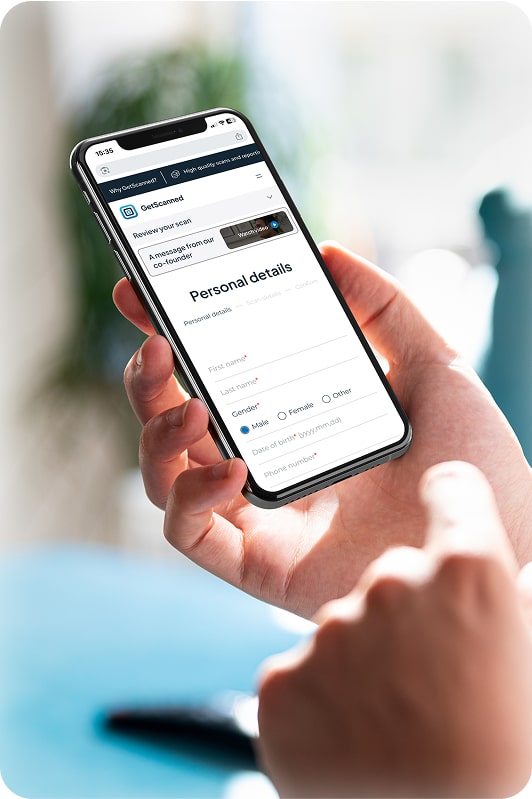
Pay online to secure your scan. Our team will confirm your details, explain next steps, and lock in turnaround times.

Step 3: Speak with a doctor
A GP will call to review your medical history and issue your referral.
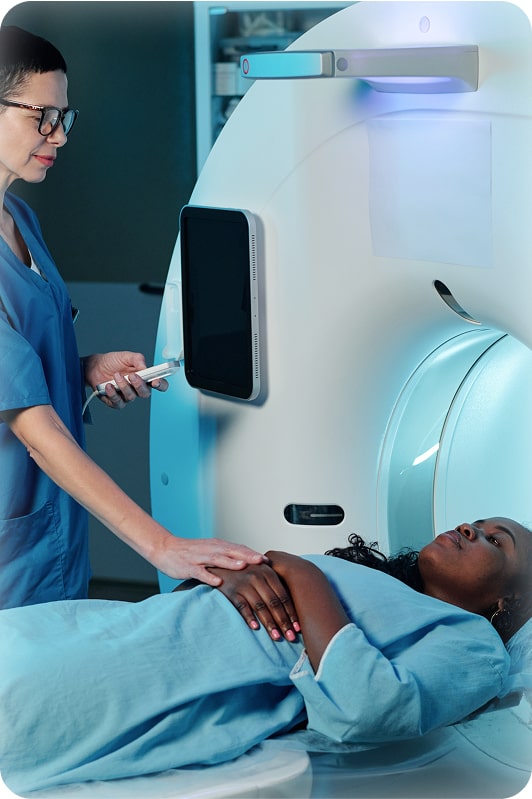
Step 4: Scan and results
Attend your scan. Results arrive fast. We'll guide you on what to do next if needed.
What is a Mammogram and what can it detect?
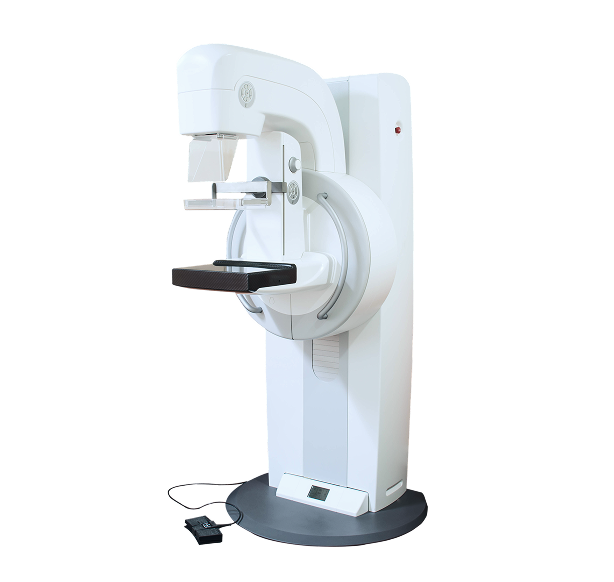
A mammogram is a low-dose X-ray of the breast that screens for or evaluates abnormalities.
It helps detect:
- Early signs of breast cancer (tumours, microcalcifications)
- Breast tissue changes (density, cysts)
- Structural changes or asymmetries
Because changes in breast tissue often precede symptoms, mammograms are a key tool in early detection.
Note: Private mammograms do not replace NHS screening, but they offer extra access or more frequent checks beyond NHS programmes.
Want the full breakdown of CT scans? Read the Complete CT Guide (Updated 2025)
Find a better price?
We'll match it.
Mammogram Scan Prices
Private Mammogram scans with GetScanned start from £349, with final cost depending on the body part and clinic location.

Shop now,
pay later.

- Starting From£349
Every booking includes:
 GP referral managed by our doctors
 Your Mammogram scan at a CQC-registered clinic
 Consultant radiologist report
 Optional results explanation
Insurance: Many policies cover Mammogram scans depending on pre-authorisation and clinic choice
Mammogram Scan near me
Choose your city to see local Mammogram availability and book online:










Your Questions, Answered
We've compiled a list of the most frequently asked questions to help you get the information you need.
A mammogram is a low-dose X-ray procedure used to examine breast tissue, primarily for the early detection of breast cancer. It can identify tumours that are too small to be felt internally.
It is currently the most effective screening method for detecting breast cancer in its earliest, most treatable stages.
Regular mammograms are the best way to detect breast cancer at the earliest possible stage. They identify cancer before symptoms (such as feeling a lump) occur. Early cancers found on a mammogram are often small, confined to the breast (meaning they haven’t spread to other areas), and can be the easiest to treat.
The 5-year survival rate for breast cancer increases to 99% if detected early.
It's generally recommended to begin annual mammograms at age 40. Regular screening can lead to a significant decrease in breast cancer mortality.
If you have a higher risk due to factors like family history or genetic predisposition, consult your doctor about starting earlier.
During the procedure, a technologist positions your breast on a platform and compresses it with a paddle to spread the tissue for clear images. X-rays are then taken from different angles. The compression may cause discomfort but lasts only a few seconds.
Some women find the pressure of the plates on their breasts to be uncomfortable. You can time your mammogram when your breasts are not tender. In premenopausal women, this is usually 1 week after your menstrual period.
The risk of harm from radiation is minimal compared to the evident benefits of early breast cancer detection. The 5-year survival rate for breast cancer increases to 99% if detected early.
Ready to Take Control of Your Health?
Skip the waiting lists and get fast access to MRI scans across the UK.
95% of customers rated their experience as excellent.


Alfredo
Vasiliki
Paul
Alfredo
Vasiliki
Paul
Alfredo
Vasiliki
Paul
Alfredo
Vasiliki
Paul
Alfredo
Vasiliki
Paul
Alfredo
Vasiliki
Paul

Blessed

Andreea
Blessed
Andreea
Blessed
Andreea
Blessed
Andreea
Blessed
Andreea
Blessed
Andreea
Michael

Miller

Colin
Michael
Miller
Colin
Michael
Miller
Colin
Michael
Miller
Colin
Michael
Miller
Colin
Michael
Miller
Colin
Trusted by customers nationwide

Whatever your concern, there’s a scan for that
MRI Scan
Starting from £299
Detailed imaging for accurate diagnosis. MRI scans use powerful magnets and radio waves to create detailed images of organs, tissues, and bones. These images can help doctors diagnose a wide range of conditions, including cancer, heart disease, brain tumours, and spinal cord injuries.
Learn More
CT Scan
Starting from £410
CT scans provide detailed cross-sectional images of the body using X-rays. They are essential for diagnosing a range of conditions, including cancer, heart disease, and lung disease. CT scans are valuable for both diagnosis and treatment planning.
Learn More
X-Ray
Starting from £99
Quick and efficient imaging for bones and tissues. X-rays use a small amount of radiation to create images of the inside of your body. X-rays are often used to diagnose broken bones, pneumonia, and other conditions.
Learn More



Contact Us

We help patients, clinicians, and businesses find and book scans at trusted clinics nearby.
CQC Services provided by Get Real Health Limited
Jactin House, 24 Hood Street, Ancoats, Manchester M4 6WX